In the high-stakes world of competitive sports, where individual brilliance often intertwines with collective effort, emotions like jealousy and envy can subtly undermine even the strongest teams. These feelings, though natural, can create unseen fractures in team cohesion, leading to underperformance and personal distress. Doctor Tom Ferraro can help coaches and mentors address these complex emotional dynamics, as they are crucial for fostering a truly winning environment, going beyond superficial fixes to tackle the underlying causes of internal conflict.

Understanding the Subtle Roots of Envy and Jealousy
Jealousy and envy in sports rarely stem from simple malice; often, they are deeply rooted in an athlete's own insecurities, fears, and perceived threats to their position or value within the team. An athlete might feel envious of a teammate's natural talent, their playing time, or the attention they receive, believing that another's success somehow diminishes their own. This can be exacerbated by perceived unfairness, whether in coaching decisions or opportunities presented. Understanding these underlying psychological mechanisms is the first step toward effective resolution, moving past surface-level frustrations to explore the deeper ego dynamics at play for each individual.
The Undermining Impact on Team Performance
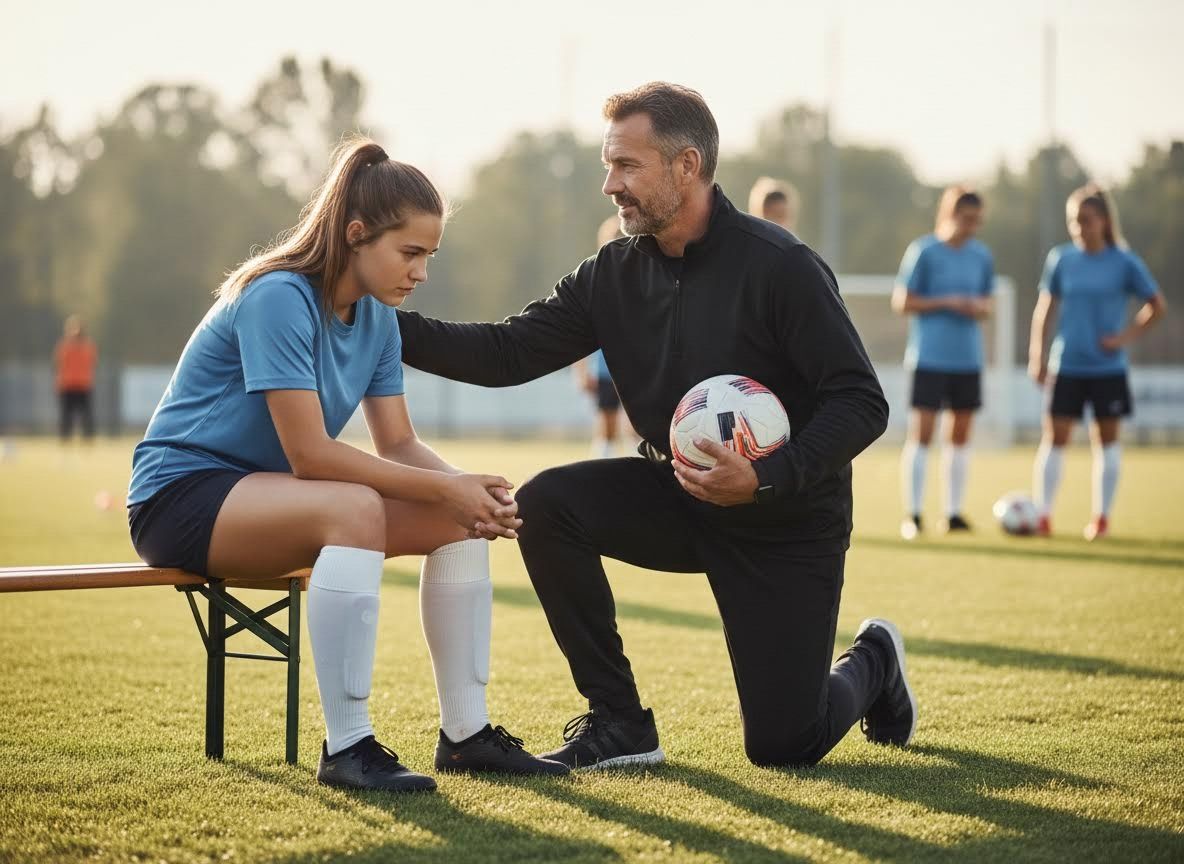
Unchecked jealousy and envy can silently erode the very fabric of a team. When these emotions are left unaddressed, they can manifest as passive-aggressive behaviors, reluctance to communicate effectively, and even a subconscious desire for a teammate to falter. This significantly impacts team trust, communication, and ultimately, collective performance. It creates a toxic environment where individual athletes struggle with their mental health in sports, leading to increased stress, anxiety, and a diminished sense of belonging. Instead of a cohesive unit striving for a shared goal, the team can devolve into a collection of individuals vying for personal recognition, often at the expense of overall success.

Cultivating a Culture of Support
Addressing jealousy and envy requires a multi-faceted approach, involving both individual athlete development and strong leadership. For athletes, developing self-awareness and understanding their own triggers is paramount. This involves focusing on personal growth, reframing competition as a catalyst for individual improvement rather than a zero-sum game, and engaging in effective mental preparation for athletes. For coaches and team leaders, implementing robust leadership development strategies is essential. This means fostering open communication, promoting a culture where individual strengths are celebrated, and creating clear pathways for constructive conflict resolution. A sport performance psychologist can play a vital role in facilitating these discussions, providing tools for emotional regulation, and helping athletes develop the resilience needed to navigate these complex feelings.
Navigating the complex emotional landscape of competitive sports, especially when dealing with jealousy and envy, requires a skilled and empathetic approach. Doctor Tom Ferraro is dedicated to empowering athletes and teams to build resilience, master mental toughness, and ultimately achieve sustained success, both individually and collectively.