
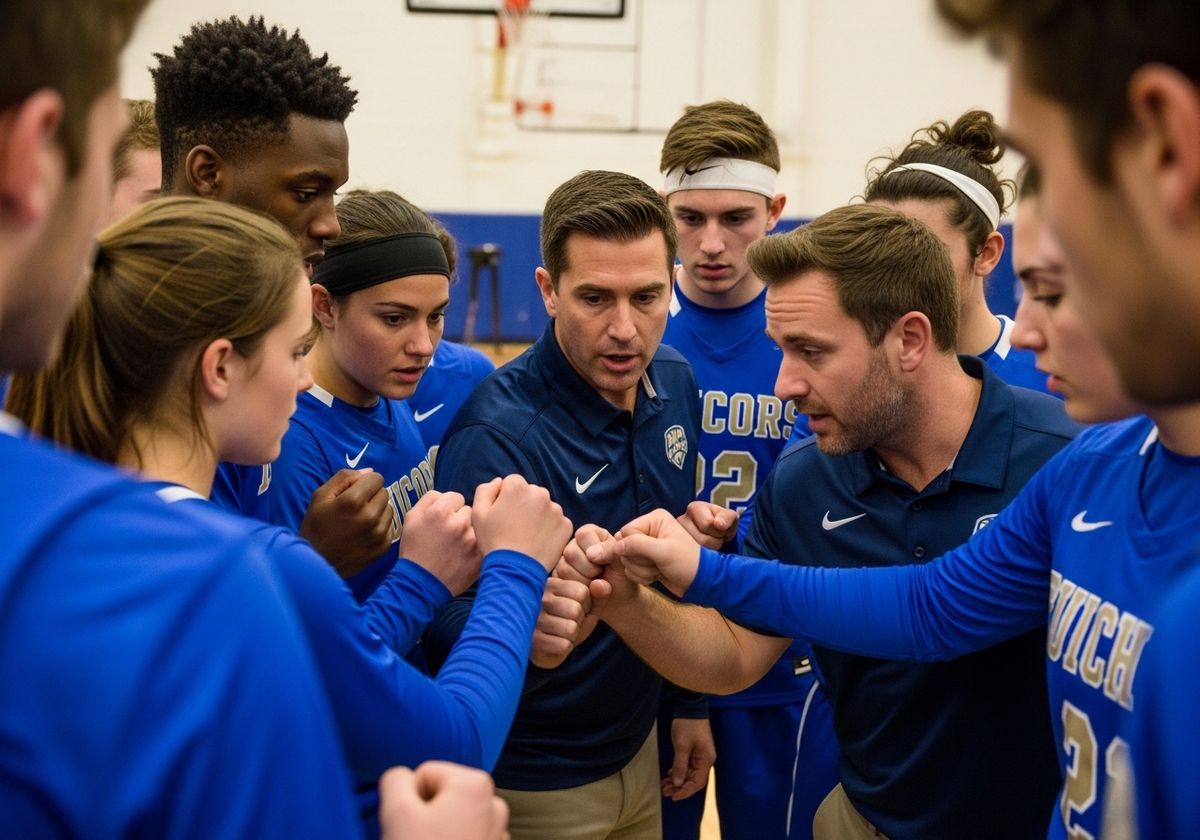
In the high-stakes world of collegiate sports, achieving peak performance requires more than just physical prowess. It demands a strong mental game, and that's where sports psychology steps in. For college athletes striving for excellence, understanding and implementing effective sports psychology techniques can be a game-changer.

Understanding the Psychoanalysis Approach in Psychology
Traditional approaches to sports psychology often focus on surface-level strategies. However, a psychoanalysis approach in psychology delves deeper, exploring the unconscious factors that influence an athlete's performance. This method, championed by experts like Dr. Tom Ferraro, helps athletes understand and resolve underlying issues that may be hindering their success. By addressing these root causes, athletes can develop a more resilient and confident mindset.
Overcoming Challenges with Sports Psychology for Athletes
College athletes face a unique set of challenges, from performance anxiety to managing intense pressure. Sports psychology provides tools to navigate these hurdles:
Anxiety Reduction: Techniques such as mindfulness and cognitive restructuring help athletes manage anxiety and stay focused under pressure.
Confidence Building: Strategies to enhance self-belief and maintain confidence even after setbacks.
Improved Focus: Methods to sharpen concentration and minimize distractions during competition.
Motivation Enhancement: Approaches to sustain motivation and commitment throughout the season.
Conflict Resolution in Teams
Effective teamwork is essential for collegiate success. However, conflicts are inevitable. Sport psychology offers strategies for conflict resolution in teams, fostering better communication and cohesion:
Open Communication: Creating a safe environment for athletes to express their concerns and perspectives.
Empathy Development: Encouraging athletes to understand and appreciate their teammates' viewpoints.
Collaborative Problem-Solving: Facilitating constructive dialogue to find mutually beneficial solutions.

The Role of a Sport Performance Psychologist
A skilled sport performance psychologist plays a crucial role in helping college teams reach their full potential. These professionals provide personalized support and guidance, tailoring interventions to meet the unique needs of each athlete and team. They work closely with coaches and staff to create a comprehensive mental training program that complements the team's physical training.
Incorporating sport psychology into your collegiate athletic program can lead to transformative results. By understanding the psychological factors that drive performance, athletes can overcome challenges, build resilience, and achieve their peak potential. Dr. Tom Ferraro understands that helping athletes win requires a deep dive into the psychological underpinnings of performance. If you're ready to elevate your team's mental game, explore the resources and expertise available at Doctor Tom Ferraro. Contact us today to discover how our unique psychoanalysis approach can unlock your athletes' full potential and drive your team to victory.